
Online Pokies With Real Money Withdrawal: The Operator View
Finding a seat at a well-run pokies session usually means checking the payout window before you buy in. From a finance and compliance angle, the real test of any platform is not just how the reels spin but how quickly and cleanly a player can move winnings back to their pocket. The landscape varies wildly, and treating every site as if it operates on the same ledger is a mistake most punters make too often.
Withdrawal Mechanics and Payment Reality
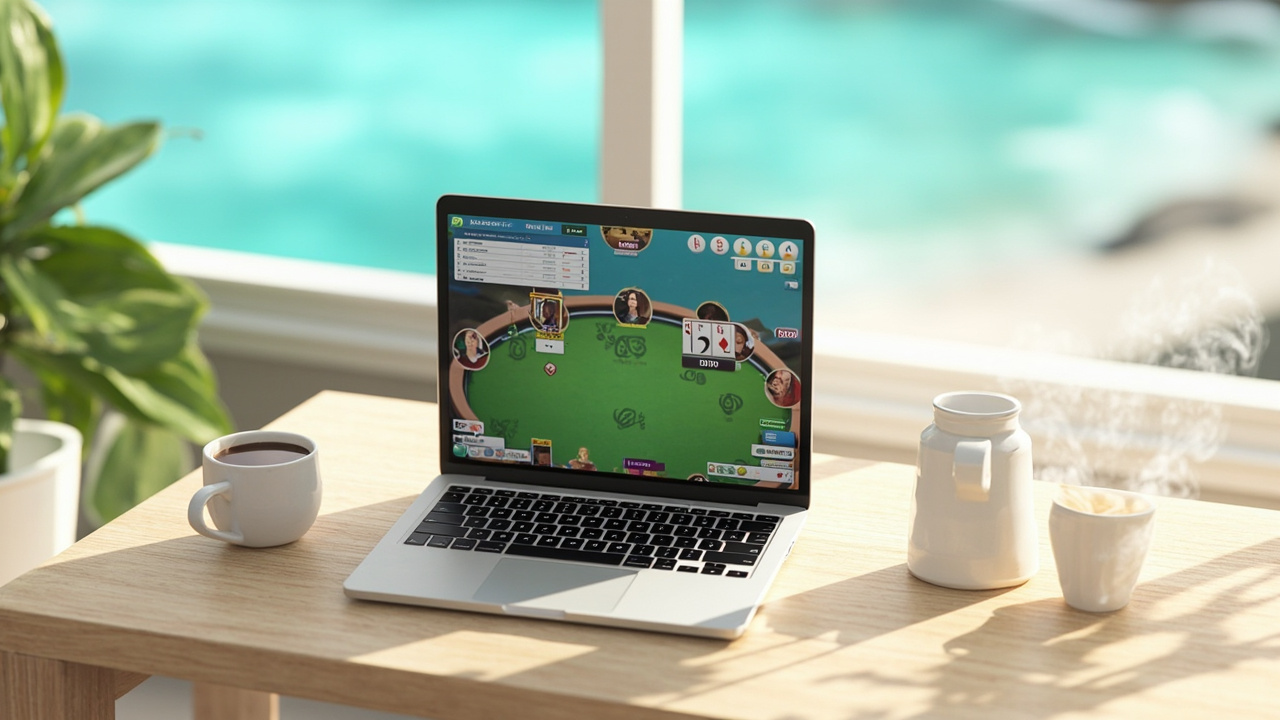
When you look at online pokies with real money withdrawal options, the first thing that matters is the payout path, not the bonus headline. A site might flash a hundred free spins, but if the cashout trail is muddy, that promotion is worth less than the paper it is printed on. In my time balancing books for gaming operators, I have seen platforms where the wagering requirements are structured like a maze, and the withdrawal queue moves about as fast as a Sunday driver on the M4. The operators that run a tight ship treat withdrawals as a core service metric, with clear limits, stated processing windows, and a payment mix that matches what locals actually use.
The payment mix is where a lot of sites trip themselves up. You want options that fit an Australian routine, with AUD as the base currency so you are not watching exchange rates chew into your balance every time you transact. Card withdrawals, e-wallets, and select instant payment rails each carry their own friction and timing. A card payout might take a couple of business days, while an e-wallet path can be quicker but sometimes carries its own fee structure or minimum thresholds. The key is consistency: the same rules should apply whether you are withdrawing twenty bucks or two hundred, and the site should not be inventing new conditions mid-session.
Verification is the part most players grumble about, yet it is the hinge everything else hangs on. Before any withdrawal is approved, the platform needs to confirm identity, age, and payment method ownership. That is not red tape for its own sake; it is the same discipline that keeps a sportsbook ledger clean and a tax position defensible. A well-run operator will ask for the paperwork up front, explain what is needed in plain English, and process it without making you jump through hoops every time you want to move money. The sites that drag this out are usually the ones where the compliance setup was bolted on after the fact, and you can feel that in the timing.
Interface, Localisation, and Everyday Usability
The look and feel of a site tells you a lot about how the operator thinks about its customers. A cluttered lobby with too many banners and pop-ups is a sign that the design team and the product team are not on the same page. You want a layout that gets out of the way, with a clear navigation structure that lets you find a game, check your balance, and head to the cashier without clicking through three layers of nonsense. Visual identity should be consistent across the lobby, the game window, and the account sections, so you are not relearning the interface every time you log in.
Language and currency localisation matter more than most reviews give them credit for. If the site is serving an Australian audience, the copy should read like it was written for locals, not translated from a generic template. That means AUD displayed by default, terms written in plain local English, and help content that does not sound like it was dashed off in another timezone. Search should work properly too, letting you filter by provider, feature, or volatility without the results jumping around. A site that treats search as an afterthought is usually the same site that treats account management as a back-office chore.
Mobile usability is where a lot of operators reveal their true priorities. The same rules should apply on a phone as on a desktop: the cashier should be reachable, the game selection should load without a struggle, and the withdrawal flow should not require you to squint at a tiny screen. A site that forces you to zoom and scroll just to find the payout button is telling you something about its product roadmap. Support should be reachable through the same channel on mobile and desktop, with response times that match what the site promises elsewhere. A loyalty setup that actually rewards ongoing play, rather than just stacking points you cannot use, is another sign that the operator is thinking about the long game rather than the next deposit.
Who This Fits and Who Should Look Elsewhere
This style of platform suits a player who wants a clear line between play and payout, and who is comfortable with the ordinary checks that come with moving real money around. If you are the sort who likes to keep your play session separate from your day-to-day spending, and you want to see a withdrawal land without having to chase it through a forum thread, then a site with a straightforward cashier and a local-friendly payment mix is worth a look. It is less suited to anyone chasing a bonus that only makes sense on paper, or to players who want to move money around without any identity checks at all.
The right fit also depends on how you think about timing. If you play in the arvo after work and want to wrap up a session without leaving a pending payout hanging over you, look for a site that publishes its processing windows clearly and sticks to them. If you are more casual and do not mind a short wait in exchange for a broader game selection, then the tradeoff might be worth it. Either way, the site should make the rules easy to find and easy to understand, not buried under layers of terms that change depending on how you got there.
Finn Green, Gaming Technology Consultant, Top End Gaming Advisory, puts it plainly: “A withdrawal flow that is hard to find is usually a sign the rest of the product is not being run with the same care as the front-end.” That line has stuck with me because it cuts through the noise. I have sat in rooms where the accounting team and the product team were effectively speaking different languages, and the customer always ends up paying for that gap. A site that treats payouts as a core part of the experience, not a back-office footnote, is the one I would point someone toward if they want to keep stellarspinsreview.com things simple and predictable.https://gargopermits.com

Some operators run their numbers with the discipline of a tight sportsbook ledger, where every payout is reconciled against the right account and the timing is tracked like any other cash movement. Others run it like a casual office sweepstake, where the paperwork is patchy and the timing is whatever the queue feels like that day. The difference shows up in the details: how fast a withdrawal moves, how clear the terms are, and whether the support team can actually answer a question about a pending payout without sending you in circles. Pick the one that treats your money with the same care it treats its own.